
In the modern world, exhibitions are no longer just events—they are economic engines, global networking hubs, trade accelerators, and platforms that shape the future of industries. From Dubai to Düsseldorf, from Shanghai to Singapore, global exhibitions bring together innovators, buyers, manufacturers, policymakers, and investors under one roof. These events have become the heartbeat of international business, shaping decisions that influence billions of dollars in trade.
For countries that understand the power of exhibitions, participation is not optional—it is strategic. Nations like China, Turkey, India, South Korea, Germany, and the UAE have used global exhibitions as a launchpad to reach international markets, attract foreign buyers, showcase national capabilities, and build global reputations.
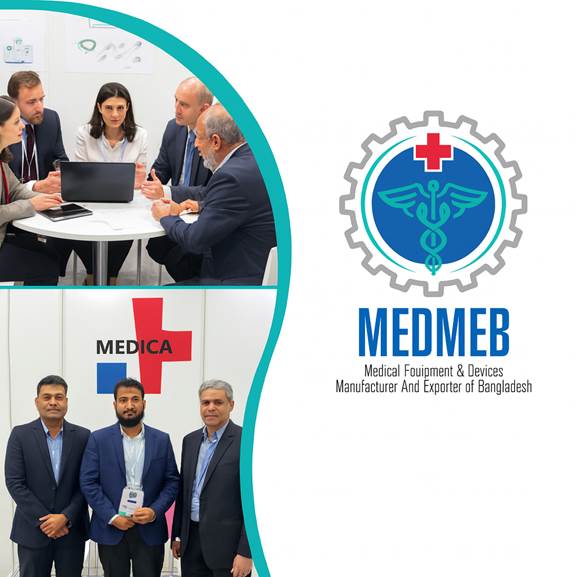
Bangladesh, despite being a rising economic force in South Asia, is still far behind in its strategic exhibition participation. For a country known for manufacturing strength, hardworking entrepreneurs, and a vibrant export-ready workforce, exhibitions are an opportunity Bangladesh cannot afford to miss.
This blog explores why exhibitions are essential, where Bangladesh currently stands, and what strategic steps the government must take to ensure the country becomes a powerful global presence.
The Global Exhibition Landscape: A Powerhouse of Opportunity
Every year, more than 32,000 trade exhibitions take place across the world. These exhibitions are not entertainment—they are economic battlegrounds. Here are the core reasons global exhibitions matter:
Direct Access to International Buyers
In a single exhibition, a business can meet buyers from 50–100 countries. No marketing campaign in the world can match this level of concentrated exposure.
Real-Time Market Understanding
Exhibitions reveal trends, technologies, consumer preferences, pricing strategies, and future industry directions. Countries that participate constantly update their industries with global advancements.
National Image Building
Presence at global exhibitions is a soft power strategy. It shows the world what a nation can produce, innovate, and export.
Strong B2B and G2B Networks
Exhibitions connect manufacturers, distributors, investors, governments, research institutions, and global supply-chain leaders.
Technology and Innovation Transfer
Many developing nations have improved their industries by observing and adopting global best practices seen in exhibitions.
Export Acceleration
Countries expand their presence in new markets simply by showing up consistently and professionally.
Attracting FDI and Partnerships
Investors attend exhibitions searching for future growth destinations. A strong national pavilion can attract investment that transforms entire sectors.
Where Bangladesh Stands Today
Bangladesh has immense potential—but its presence in global exhibitions is extremely limited compared to competitors.
Current challenges include:
– Lack of national branding
– Minimal government-led participation
– Mostly individual or small private participation
– Inconsistent presence in top-tier global exhibitions
– Weak booth design, limited storytelling, outdated product display
– Lack of training for exhibition strategy
– Limited coordination between ministries, exporters, and industry associations
Bangladesh’s strong sectors—RMG, pharmaceuticals, medical devices, agro-products, plastics, ICT, ship recycling, jute, handicrafts, ceramics, and leather—rarely show unified representation on global platforms.
As a result:
– Other countries dominate global buyers
– Bangladesh loses market opportunities
– Investors remain unaware of Bangladesh’s strengths
– SMEs cannot reach international buyers
– National image remains underrepresented
In an era where visibility equals opportunity, Bangladesh cannot rely solely on exports—it must actively participate in global conversations.
Why Exhibitions Are Critical for Bangladesh’s Next Economic Leap
- Bangladesh is moving toward an export-diversified economy.
To reduce dependence on RMG, exhibitions offer immediate global exposure for new sectors.
2. The country is aiming for LDC graduation.
Post-LDC, Bangladesh must fight harder for export markets—exhibitions provide the battlefield.
3. Global competition is rising.
Countries like Vietnam, India, and Indonesia are aggressively expanding exhibition participation.
4. Bangladesh needs foreign investment.
Investors trust countries they see. Exhibitions provide a global stage to challenge outdated perceptions.
5. Small and medium businesses need international buyers.
Exhibitions democratize access by connecting small players directly to big markets.
6. Socio-economic upliftment.
More exports → more jobs → more income → stronger economy.
What the Government Must Do: A Strategic Roadmap for Bangladesh
If Bangladesh wants to lead the future, its government must take immediate, structured action.
1. Establish a National Exhibition Council
A dedicated council that plans, funds, coordinates, and executes Bangladesh’s presence in global exhibitions across sectors.
2. Annual Exhibition Calendar
Identify the top 50 global exhibitions across:
– Healthcare
– Medical devices
– Food & agro
– ICT and technology
– Maritime & blue economy
– Plastics & engineering
– Pharmaceuticals
– Renewable energy
– Ceramics and construction
– Jute, textiles, and handicrafts
3. National Pavilions for Bangladesh
Just like India, China, the UAE, and Turkey, Bangladesh must create strong, modern, unified pavilions.
4. Funding Support for SMEs
Provide 50–70% subsidies for small businesses to participate so they can reach international buyers.
5. Pre-Exhibition Training Programs
Government + industry bodies should train companies on:
– Booth setup
– Sales strategy
– Buyer negotiation
– Global product packaging
– Export documentation
– Branding and storytelling
6. Strong Branding: “Made in Bangladesh”
Bangladesh must create a powerful branding identity and apply it across all exhibitions.
7. Collaboration With Embassies
Embassies should help bring foreign buyers to the Bangladesh pavilion and promote the country in advance.
8. Digital Showcase Platforms
A government-run digital marketplace featuring all exhibitors, accessible by global buyers.
9. Product Certification and Compliance Assistance
To export globally, products must meet international standards. Government support is essential.
10. Measure Outcomes
Track:
– Leads generated
– Buyers met
– Contracts signed
– Investment interest
– Market expansion achieved
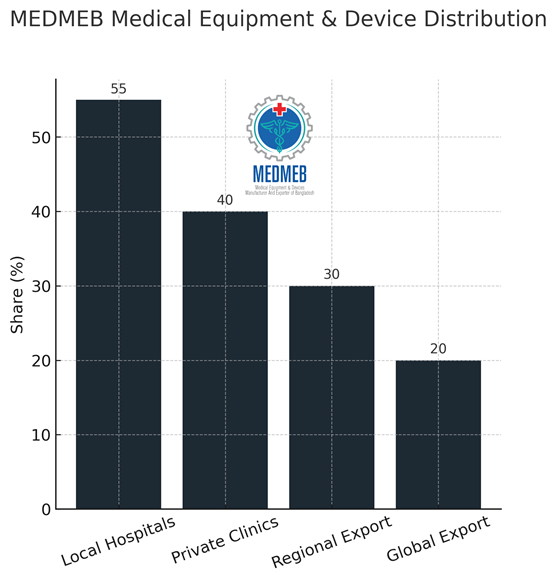
This makes exhibitions a measurable economic tool, not a random activity.
The Future: Bangladesh as a Global Exhibition Power
If Bangladesh adopts a structured exhibition strategy, it can achieve:
– Global recognition of Bangladeshi industries
– Export diversification
– Increased foreign direct investment
– Boost in SME development
– Enhanced innovation and product quality
– Stronger international partnerships
Most importantly, Bangladesh will no longer follow global markets—it will compete in them.
Conclusion
Exhibitions are not events; they are opportunities. They are where a country tells the world who it is and what it can become. For Bangladesh, the timing is perfect. With rising industries, strong entrepreneurs, government vision, and global interest, Bangladesh has everything it needs to step confidently onto the world stage.
Now the government must act—strategically, boldly, and consistently.
Because the world is watching.
And Bangladesh must be seen.